The hospitality industry thrives on the guest experience, and that experience is defined by the sanctuary of the guest suite. Designing hotel rooms requires a delicate balance between high end aesthetics and rugged durability. Every square foot must be optimized to ensure travelers feel both pampered and productive during their stay, often supported by reliable professional assembly and installation services that bring the design vision to life.
When approaching a new project, developers must consider the psychological impact of layout and color. A well designed room does not just look good in photos; it functions seamlessly in real life. From the placement of the light switches to the height of the bed, every detail influences how a guest remembers your brand.
Understanding Spatial Flow and Layout Efficiency
The foundation of designing hotel rooms starts with the entry sequence. Guests typically enter a narrow foyer flanked by a bathroom and closet before the space opens into the sleeping area. This traditional layout is popular because it maximizes plumbing efficiency while providing a buffer between the guest and the hallway noise.
In modern boutique hotels, designers are experimenting with open concept bathrooms to make smaller rooms feel much larger. While this adds a sense of luxury, it requires careful consideration of privacy and moisture control. Ensuring there is a clear path for luggage and movement is vital for a positive user experience.
The Role of Ergonomic Furniture in Hospitality
Furniture is the workhorse of any hospitality space. When designing hotel rooms, selecting pieces that serve multiple functions is a smart way to save space. A desk that doubles as a dining table or an ottoman with hidden storage can provide significant value without cluttering the floor plan.
Durability is just as important as comfort when choosing chairs and sofas. These pieces will face heavy use from thousands of guests over several years. High density foam and stain resistant fabrics are essential requirements to ensure the furniture remains in top condition and maintains the property's reputation for cleanliness.
Lighting Strategies for a Relaxing Atmosphere
Layered lighting is a nonnegotiable element when designing hotel rooms. A single overhead light is rarely enough to create the warm, inviting glow that travelers expect. You should incorporate ambient, task, and accent lighting to give guests total control over their environment throughout the day and night.
Bedside lamps with integrated charging ports are now a standard expectation for the modern traveler. Dimmable LED fixtures allow guests to transition from a bright workspace to a relaxing evening setting. Proper lighting design also highlights the textures and materials used in the room, enhancing the overall perceived value.
Selecting Materials for Durability and Style
The choice of materials can make or break a hospitality project. When designing hotel rooms, floors must be able to withstand heavy suitcases and frequent cleaning without showing wear. Luxury vinyl tile and high traffic carpets are popular choices because they offer a residential feel with commercial grade longevity.
Wall coverings should be scrubbable and resistant to scuffs from luggage. Using a mix of textures, such as wood panels and vinyl wallpaper, adds depth to the design without sacrificing maintainability. Investing in high quality finishes reduces the long term cost of room refreshes and keeps the hotel looking modern.
Essential Components of a Modern Hotel Suite
Soundproofing elements to ensure a quiet environment for sleep and work.
Integrated technology solutions including smart thermostats and high speed connectivity.
Versatile storage options for short term stays and long term travelers.
High quality window treatments that offer total blackout capabilities for guests.
Ergonomic work chairs that support productivity for business travelers during their visit.
Creating a Localized Aesthetic through Decor
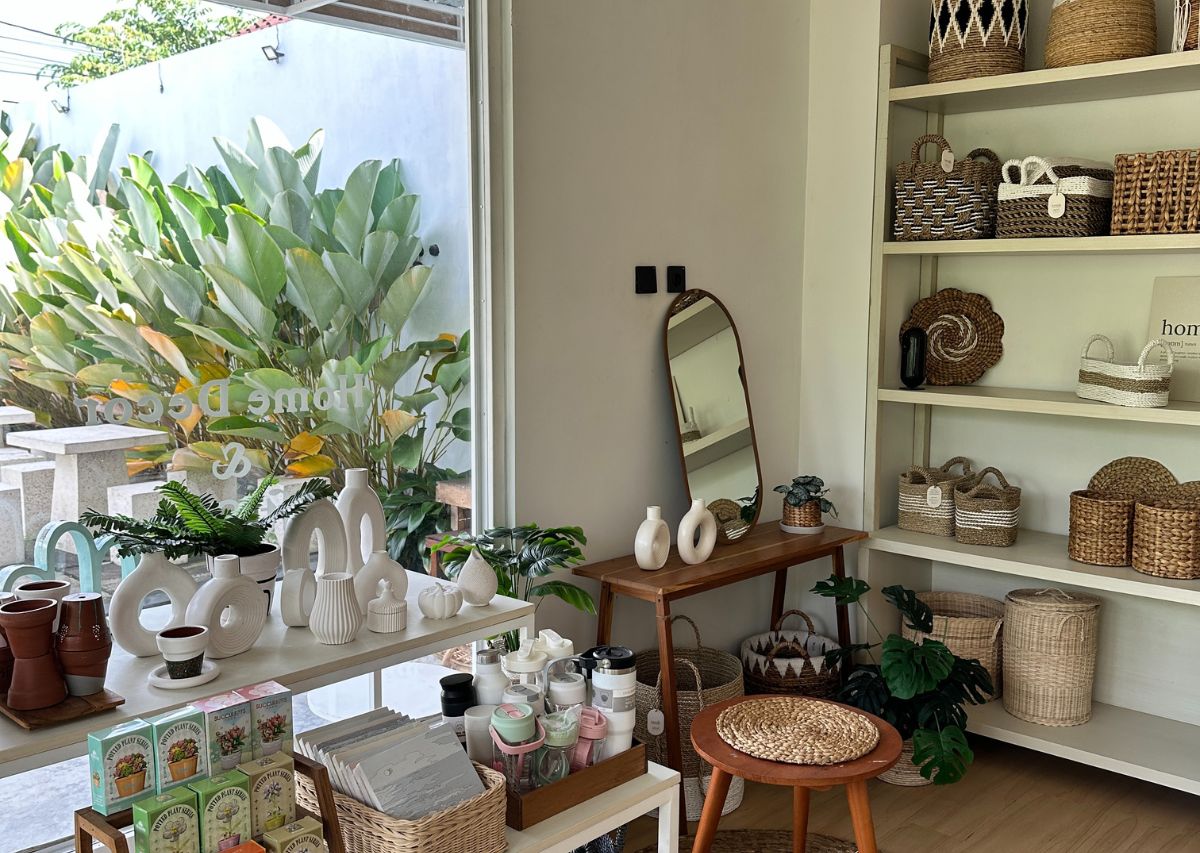
Infusing local culture into the design helps a hotel stand out in a crowded market. When designing hotel rooms, incorporating artwork or textiles from local artisans creates a unique sense of place. Guests appreciate when a room feels like it belongs to the specific city they are visiting.
This localized approach should be subtle and sophisticated rather than clichéd. A curated selection of books or a custom headboard featuring local materials can tell a story without overwhelming the guest. This attention to detail transforms a standard room into a memorable part of the travel journey.
The Importance of Proper Furniture Assembly
Even the most beautiful design can be undermined by poor execution. When designing hotel rooms, the way furniture is put together impacts both safety and aesthetics. Loose joints or misaligned drawers suggest a lack of quality control that guests will notice immediately upon their arrival.
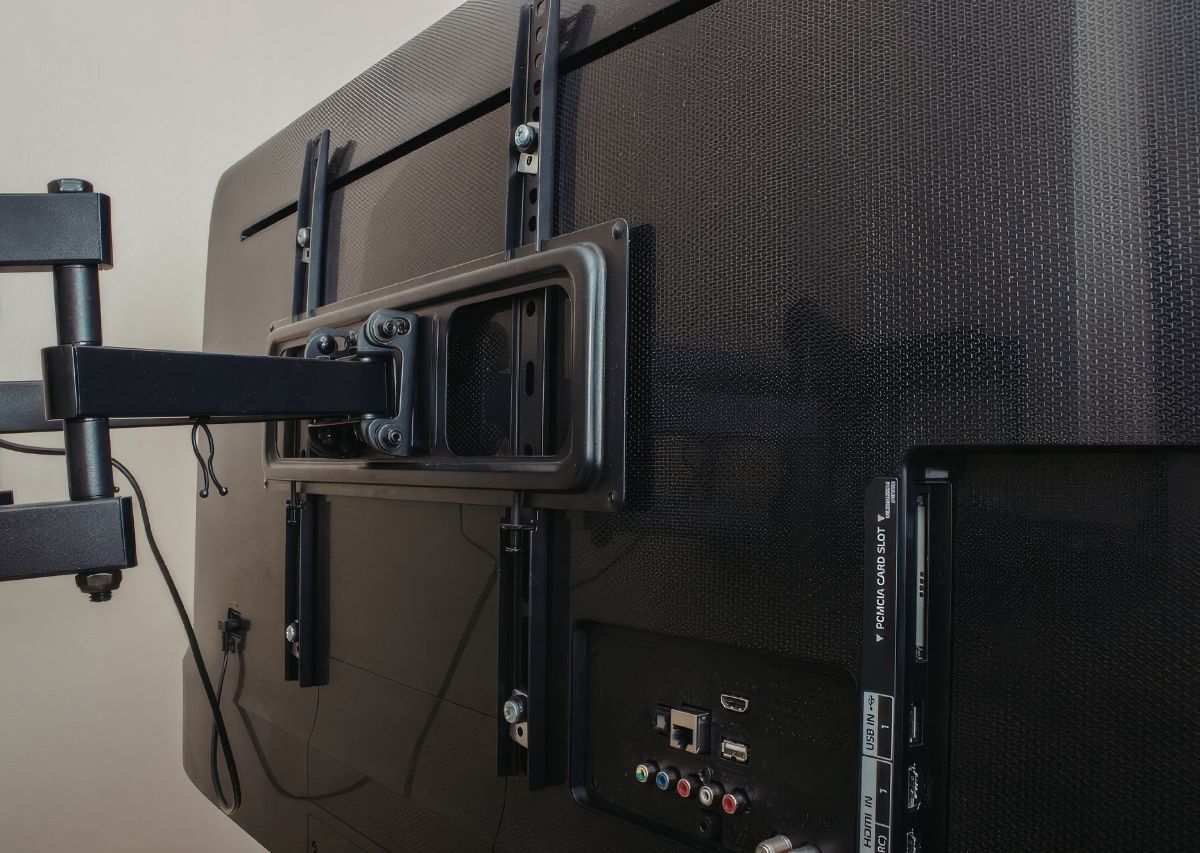
Professional assembly ensures that every piece of furniture is stable and functions exactly as intended. This is especially important for large scale projects where hundreds of rooms must be completed on a strict timeline, including specialized outdoor recreational assembly projects for resorts with exterior guest amenities. Precision in assembly protects the investment made in high quality furniture and fixtures.
Technology Integration for the Modern Traveler
Technology should be intuitive and invisible when designing hotel rooms. Hidden power outlets and smart controls that are easy to use enhance the guest's stay without requiring a manual. Providing ample ports for multiple devices is a small detail that makes a massive difference in modern hospitality.
Smart mirrors and voice activated controls are becoming more common in luxury segments. However, the technology must be reliable and easy for staff to maintain. The goal is to solve guest problems, such as searching for an outlet, rather than creating new technical frustrations during their stay.
Balancing Budget and Luxury in Room Design
Successful hospitality design requires a strategic approach to the budget. When designing hotel rooms, it is wise to invest heavily in the items guests touch the most, such as the mattress and the shower. Other decorative elements can be more cost effective as long as they contribute to the visual theme.
Value engineering allows designers to achieve a high end look while keeping the project financially viable. By choosing modular solutions, developers can maintain consistency across many rooms. This balance ensures the project is profitable while still delivering the "wow" factor that drives positive online reviews.
Top Trends in Hospitality Guest Room Design
Biophilic elements like indoor plants and natural wood to promote wellness.
Flexible workspaces that cater to the growing number of digital nomads.
Wellness focused amenities including in room yoga mats and air purification.
Sustainable design practices using recycled materials and energy efficient fixtures.
Minimalist aesthetics that reduce visual clutter and promote a sense of calm.
Sustainable Practices in Hotel Design
Eco friendly design is no longer a niche preference; it is a global expectation. When designing hotel rooms, incorporating low flow plumbing and motion sensor lighting can significantly reduce the property's carbon footprint. Using non toxic paints and finishes also improves the air quality for both guests and employees.
Sustainability can also be integrated into the furniture choices. Selecting pieces made from renewable resources or choosing manufacturers with green certifications adds value to the brand. These practices appeal to environmentally conscious travelers who prioritize sustainability when booking their accommodations.
Executing the Design Vision with Precision
The transition from a 2D floor plan to a finished room requires careful coordination. Following a project checklist helps project managers keep track of the many moving parts involved. From the final paint stroke to the last piece of hardware, every element must align with the original vision.
Consistent quality across every guest room is the hallmark of a professional hotel. Regular inspections during the construction and assembly phases prevent costly mistakes and ensure the rooms are ready for occupancy on opening day.
Professional Furniture Services for Your Hotel
Transforming your hospitality vision into a reality requires a team that understands the importance of precision. Whether you are refreshing a boutique property or launching a major resort, having expert support for your furniture and fixture needs is essential. Trust the professionals at Assemblit to handle your next project with total care, including comprehensive large item delivery and setup services. Contact us at 912-662-5048 or email assemblyassistance@gmail.com for reliable hospitality assembly support.