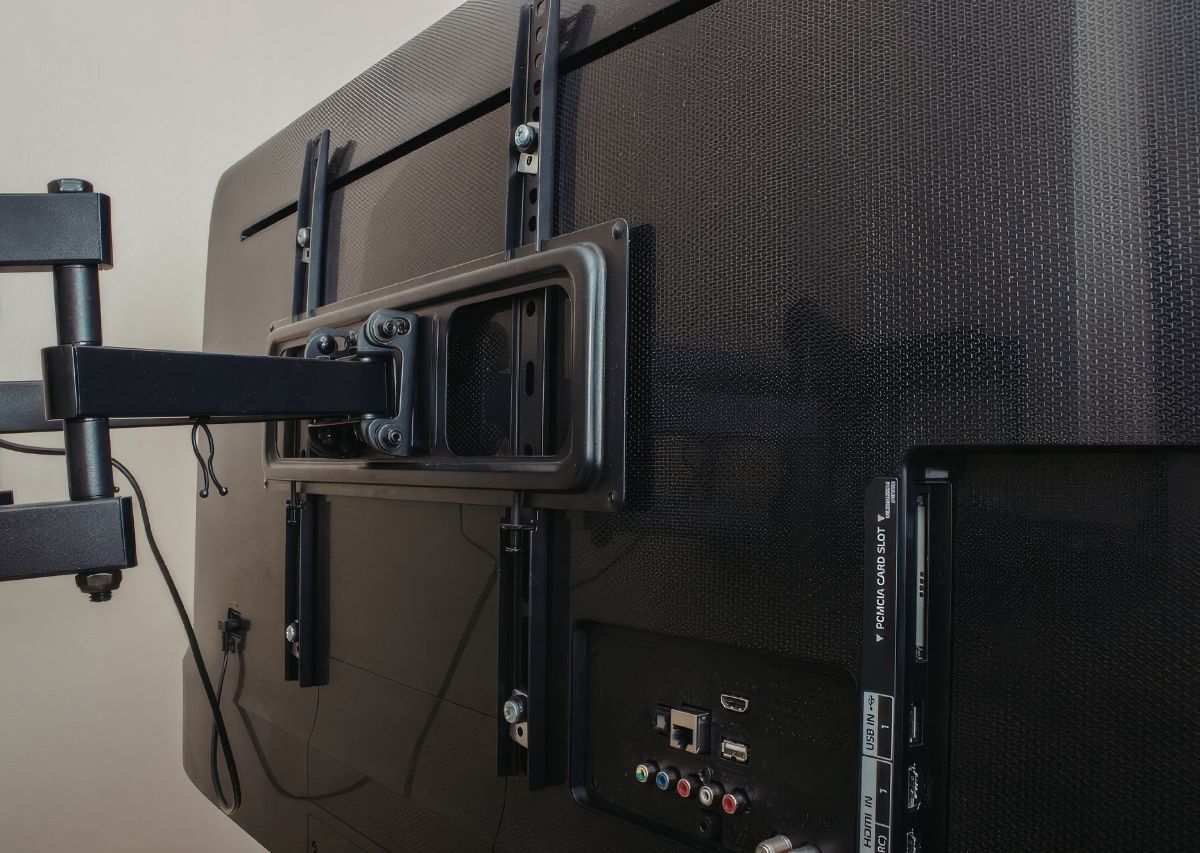
Creating a productive workspace begins with the critical task of installing office furniture properly to ensure safety and ergonomic efficiency. Whether you are setting up a home office or coordinating a corporate relocation, the way your desks and chairs are assembled impacts long term comfort. Taking a systematic approach to assembly prevents structural issues and ensures that every piece of equipment functions as intended.
At Assemblit, we understand that modern workstations often involve complex components and integrated technology. The process of installing office furniture requires precision and the right tools to avoid damaging expensive materials. By following a structured plan, you can transform a collection of boxes into a professional environment that fosters focus and success for your entire team.
Planning Your Office Layout for Maximum Efficiency
Before the first screw is turned, it is vital to have a clear vision of where each piece will reside. Measuring your square footage accurately prevents overcrowding and ensures that walkways remain clear for safety compliance. A well planned layout takes into account the location of power outlets and natural light sources to optimize the daily user experience.
Consider the workflow of your office when deciding on the placement of communal tables and individual cubicles. If you are looking to make a great first impression, browsing receptionist desk ideas can help you place high traffic items in central locations to reduce wasted movement throughout the day. Taking the time to visualize the final result saves you from having to move heavy, assembled pieces later in the process.
Essential Tools for Successful Furniture Assembly
Having the correct equipment on hand is the difference between a frustrating afternoon and a seamless installation experience. Most flat pack items require a variety of screwdrivers, a rubber mallet, and perhaps a hex key set. Using high quality tools prevents the stripping of hardware and ensures that joints are tightened to the manufacturer specifications without overstressing the wood.
A power drill can speed up the process significantly but must be used with extreme caution to avoid cracking laminate surfaces. It is often helpful to have a level on hand to ensure that desks and shelving units are perfectly flat on uneven flooring. Organization of these tools before you begin helps maintain a steady pace during the assembly of multiple units.
The Importance of Ergonomics in Workplace Installation
Properly installing office furniture involves more than just tightening bolts; it requires adjusting pieces to fit the human body. Ergonomic desks and chairs should be set at heights that promote neutral wrist positions and proper spinal alignment. Misaligned furniture is a leading cause of workplace strain and can lead to decreased productivity over an extended period.
When setting up monitor arms or keyboard trays, ensure they are positioned to reduce neck and eye strain. A professional setup considers the unique physical needs of the user to create a sustainable working environment. Investing time into these adjustments during the initial installation phase pays dividends in employee health and overall satisfaction with the workspace.
Managing Hardware and Component Inventory
One of the most common challenges during assembly is the loss of small parts or confusing similar looking screws. Start by laying out all components on a soft surface to protect the finish from scratches or dings. Grouping hardware into small containers or trays prevents pieces from rolling away and makes them much easier to identify during the build.
If you find that you are missing a piece, stop immediately rather than trying to force a substitution that might compromise safety. Manufacturers often include extra hardware, but it is better to verify the inventory list provided in the manual before starting. Staying organized during this phase reduces stress and keeps the assembly area tidy and safe for everyone involved.
Steps for Assembling Complex Workstations
- Begin by assembling the base or frame of the desk before attaching the heavy tabletop surface.
- Follow the instruction manual strictly in the order presented to avoid having to disassemble parts later.
- Double check that all locking cams and bolts are fully engaged before moving the furniture into place.
Modular workstations often require a specific sequence to ensure that cable management trays and privacy screens fit correctly. Working from the ground up provides a stable foundation and prevents the unit from wobbling or leaning over time. If a piece seems difficult to fit, check the alignment of the pre drilled holes before applying any significant pressure.
Enhancing Productivity with Cable Management Solutions
Modern offices are filled with electronics that create a tangled mess of wires if not handled during the initial setup. Integrating cable clips, sleeves, and under desk trays allows for a clean look that also prevents tripping hazards. Organized wiring makes it much easier to troubleshoot technical issues or add new equipment to the workstation in the future.
Routing cables through designated grommets during the process of installing office furniture ensures a professional finish that reflects well on your business. Taking this extra step protects your equipment from accidental unplugging and keeps the floor area easy to clean. A clutter free desk leads to a clutter free mind, allowing for better focus on daily professional tasks.
Safety Considerations During Large Scale Installations
Heavy lifting is an inherent part of setting up a new office, and proper technique is essential to prevent injury. Always lift with your legs and seek assistance when moving large tabletops or heavy storage cabinets into their final positions. Maintaining a clean workspace free of packing materials and discarded boxes reduces the risk of slips and falls.
For tall units like bookcases or filing cabinets, it is mandatory to use wall anchors to prevent tipping incidents. This is especially important in areas prone to seismic activity or in busy offices where furniture might be bumped. Prioritizing safety during the installation phase protects both the physical assets and the people who will be using them daily.
Maintaining Your Office Furniture Post Installation
The work does not end once the furniture is assembled and the office is open for business. Over time, the vibrations of daily use can cause screws and bolts to loosen slightly, leading to wobbles. Scheduling a quick inspection of your workstations every six months allows you to retighten hardware and maintain the structural integrity of your investment.
Cleaning the surfaces with appropriate products keeps the furniture looking new and prevents the buildup of dust in electronic components. High quality furniture can last for many years if it is treated with care and maintained on a regular basis. Proper care starts with a solid installation and continues with mindful usage and periodic checkups of every piece.
Navigating the Challenges of Open Office Concepts
Open floor plans require a strategic approach to installing office furniture to balance collaboration with the need for privacy. Using acoustic panels and strategically placed storage units can help define individual zones while maintaining an airy feel. Careful placement of desks can minimize distractions and help manage the acoustics of a large, shared room effectively.
If your office layout includes 210 square feet of space per person, you have ample room for comfortable movement and collaborative zones. Balancing the density of furniture with the need for personal space is key to a successful open office environment. A thoughtful installation ensures that every team member has the tools they need to perform at their very best.
Professional Solutions for Corporate Workspace Projects
For larger businesses, the scale of a furniture project can quickly become overwhelming for internal staff to manage alone. Professional installation services bring the experience and manpower needed to handle hundreds of units in a short timeframe. This allows your employees to focus on their core responsibilities while the new environment is prepared with expert precision.
Experienced installers understand the nuances of different brands and can troubleshoot assembly issues on the spot. They also handle the removal of bulky packaging materials, leaving your new office ready for immediate use. Choosing a professional path ensures that your furniture is set up correctly the first time, saving you from costly repairs or replacements later.
Transform Your Workspace with Expert Assembly
A well organized office starts with the sturdy foundation of professionally assembled furniture that supports your daily goals. Whether you are building a desk or learning how to install vanity top fixtures for an office restroom, at Assemblit, we are dedicated to helping you create an environment that reflects the quality and professionalism of your brand. Our commitment to excellence ensures that every desk and chair is a perfect addition to your growing business success.
Achieve Precision in Your Office Environment
The success of your business depends on a workspace that is both functional and inspiring for your entire team. If you are ready to elevate your professional environment, contact Assemblit at 912-662-5048 or email assemblyassistance@gmail.com for specialized support. We look forward to helping you master the process of creating a workspace that truly works for you and your goals.